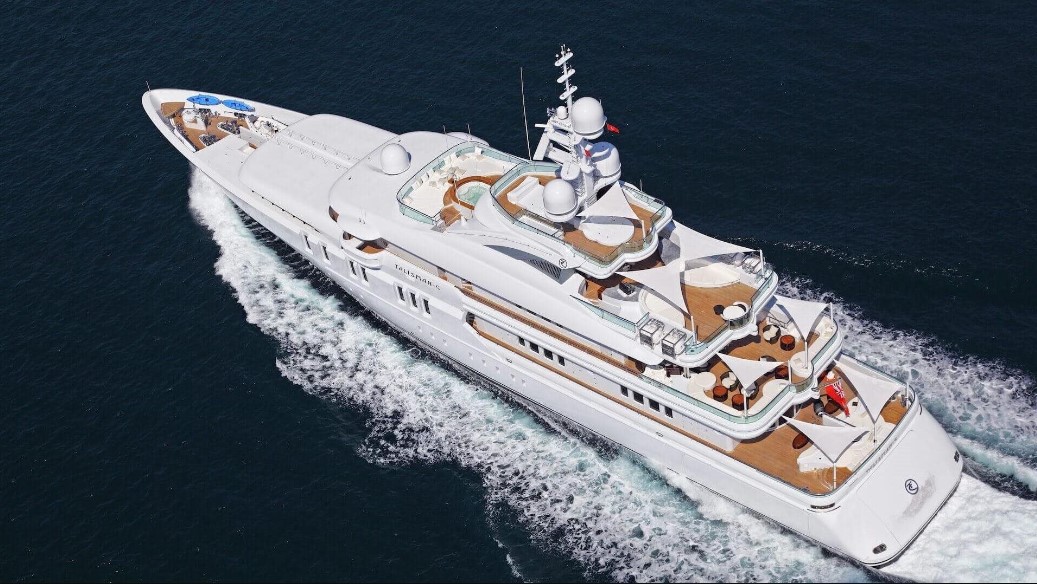
In the realm of luxury maritime vessels, yachts and superyachts represent the pinnacle of opulence and engineering prowess. These floating palaces, often valued in the hundreds of millions of dollars, are more than mere recreational vessels; they are complex assets that intersect with numerous areas of law, from maritime regulations to international tax codes. As the yacht and superyacht industry continues to grow, with the global fleet of superyachts exceeding 5,000 vessels in 2024, the need for specialized legal expertise has never been more critical.
Enter the world of yacht and superyacht lawyers – legal professionals who navigate the intricate waters of maritime law, international regulations, and high-net-worth client needs. These specialized attorneys play a crucial role in every aspect of yacht ownership and operation, from initial acquisition and registration to crew management and potential litigation. Their expertise ensures that the dreams of yacht owners can be realized while adhering to the complex web of laws that govern international waters and ports around the globe.
The Unique Legal Landscape of Yacht and Superyacht Ownership
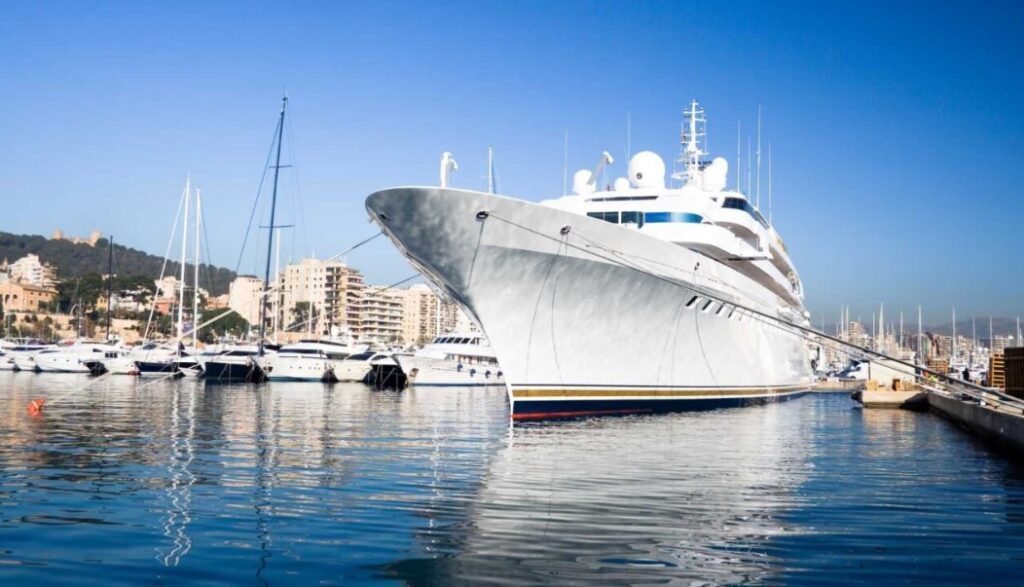
The legal considerations surrounding yacht and superyacht ownership are as vast as the oceans these vessels traverse. Unlike typical recreational boats, superyachts – generally defined as private vessels over 24 meters (79 feet) in length – are subject to a myriad of international conventions, flag state laws, and port state regulations. These legal frameworks cover everything from safety standards and environmental compliance to crew qualifications and taxation.
One of the primary challenges in this field is the international nature of yachting. A yacht might be owned by a corporation registered in one country, fly the flag of another, operate in international waters, and dock in various ports worldwide. Each jurisdiction may have its own set of rules and regulations, creating a complex legal tapestry that yacht owners must navigate. Yacht and superyacht lawyers specialize in untangling these jurisdictional issues, ensuring their clients remain compliant regardless of where their vessels sail.
Key Areas of Practice for Yacht and Superyacht Lawyers
Yacht and superyacht lawyers cover a broad spectrum of legal services tailored to the unique needs of their high-net-worth clients. One of the most crucial areas is yacht acquisition and sale. These transactions often involve substantial sums and require meticulous attention to detail. Lawyers in this field draft and negotiate purchase agreements, conduct due diligence on vessels, and ensure proper transfer of ownership and registration.
Another significant aspect of their practice is yacht registration and flagging. The choice of flag state can have far-reaching implications for taxation, crewing requirements, and regulatory oversight. Experienced yacht lawyers advise clients on the most advantageous jurisdictions for registration based on the owner’s specific needs and intended use of the vessel. They also handle the complex process of registering the yacht with the chosen flag state and ensuring ongoing compliance with that state’s regulations.
Navigating International Maritime Laws and Regulations
The international nature of yachting necessitates a deep understanding of various maritime laws and conventions. Key among these is the United Nations Convention on the Law of the Sea (UNCLOS), which establishes the legal framework for all maritime activities. Yacht and superyacht lawyers must also be well-versed in the International Convention for the Safety of Life at Sea (SOLAS) and the International Convention for the Prevention of Pollution from Ships (MARPOL).
In recent years, environmental regulations have become increasingly stringent in the maritime sector. The International Maritime Organization (IMO) has implemented stricter emissions standards and ballast water management requirements, which apply to large yachts as well as commercial vessels. Yacht lawyers play a crucial role in helping their clients understand and comply with these evolving regulations, often working closely with naval architects and marine engineers to ensure new builds and refits meet the latest environmental standards.
Crew Management and Employment Law
The operation of a superyacht requires a professional crew, often numbering dozens of individuals for the largest vessels. This aspect of yacht ownership intersects with employment law, immigration regulations, and maritime labor conventions. Yacht and superyacht lawyers assist owners in drafting employment contracts, ensuring compliance with the Maritime Labour Convention (MLC), and navigating the complexities of international crew recruitment and management.
One of the challenges in this area is the mobile nature of yacht employment. Crew members may be working in multiple jurisdictions during a single trip, each with its own labor laws and tax implications. Skilled yacht lawyers help owners structure employment arrangements that are both legally compliant and attractive to top talent in the competitive yacht crew market. They also advise on issues such as crew visas, work permits, and social security contributions across different countries.
Taxation and Financial Structuring
The financial aspects of yacht ownership are complex and can have significant implications for an owner’s overall wealth management strategy. Yacht and superyacht lawyers work closely with tax advisors and wealth managers to create optimal ownership structures that balance legal compliance with financial efficiency. This may involve setting up special purpose vehicles (SPVs) or utilizing offshore jurisdictions to manage tax liabilities.
Value Added Tax (VAT) is a particular concern for yacht owners in many parts of the world, especially in the European Union. The rules surrounding VAT on yachts can be incredibly complex, varying not only between countries but also based on the vessel’s usage (private vs. commercial), its location, and the owner’s residency status. Expert yacht lawyers stay abreast of the latest VAT regulations and help their clients navigate these waters, often saving substantial sums through proper structuring and planning.
Dispute Resolution and Litigation
Despite the best efforts at prevention, disputes can arise in the yacht and superyacht world. These may involve contractual disagreements with shipyards, claims related to yacht performance or condition, crew disputes, or accidents and injuries. Yacht and superyacht lawyers skilled in maritime litigation and alternative dispute resolution play a crucial role in protecting their clients’ interests in these situations.
The choice of jurisdiction and applicable law in yacht-related disputes can be complex, often involving multiple countries and legal systems. Expert yacht lawyers are adept at navigating these jurisdictional issues and advocating for their clients in international forums. They may also engage in negotiations or mediation to resolve disputes without resorting to costly and time-consuming litigation.
Emerging Trends: Technology and Cybersecurity
As yachts become increasingly sophisticated, incorporating advanced technologies and connectivity, new legal challenges are emerging. Cybersecurity is a growing concern, with high-profile yacht owners potential targets for hackers and cybercriminals. Yacht and superyacht lawyers are now advising clients on data protection measures, privacy laws, and liability issues related to onboard technology and communications systems.
Another emerging area is the integration of autonomous systems in yacht design and operation. As these technologies develop, legal questions arise regarding liability, insurance, and regulatory compliance. Forward-thinking yacht lawyers are staying ahead of these trends, working with technology experts and regulatory bodies to shape the legal framework for the next generation of smart yachts.
Choosing the Right Yacht and Superyacht Lawyer
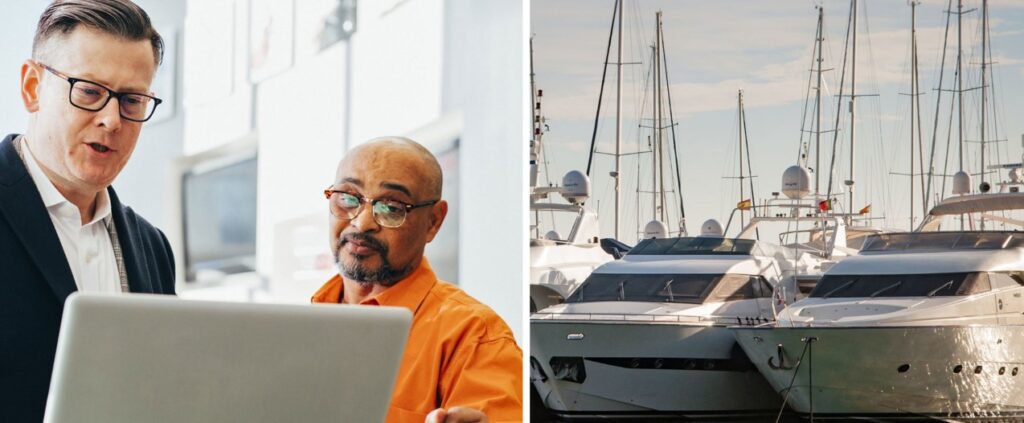
Selecting the right legal representation is crucial for yacht and superyacht owners. The ideal lawyer in this field combines a deep understanding of maritime law with expertise in related areas such as tax law, corporate law, and international regulations. They should have a proven track record in yacht transactions and a global network of contacts in the yachting industry.
Many top yacht and superyacht lawyers are found in major maritime centers such as London, Monaco, Fort Lauderdale, and Singapore. However, the global nature of modern legal practice means that expertise can be accessed from anywhere in the world. Prospective clients should look for lawyers who are members of recognized maritime law associations and have experience dealing with the specific flag states and cruising areas relevant to their needs.
In conclusion, the world of yacht and superyacht law is as dynamic and multifaceted as the vessels themselves. These specialized lawyers play an indispensable role in ensuring that the pleasures of yacht ownership are not marred by legal complications or financial pitfalls. From the initial stages of acquisition through to day-to-day operation and potential dispute resolution, yacht and superyacht lawyers provide the expertise necessary to navigate the complex legal seascape of luxury vessel ownership.
As the yachting industry continues to evolve, driven by technological advancements, changing regulations, and shifting global economic patterns, the role of these legal professionals will only grow in importance. Their ability to blend deep legal knowledge with an understanding of the unique lifestyle and aspirations of their high-net-worth clients makes yacht and superyacht lawyers essential partners in the realization of maritime dreams. For those venturing into the rarefied world of luxury yachting, engaging the right legal expertise is not just advisable – it’s a necessity for smooth sailing in the complex waters of international maritime law.