
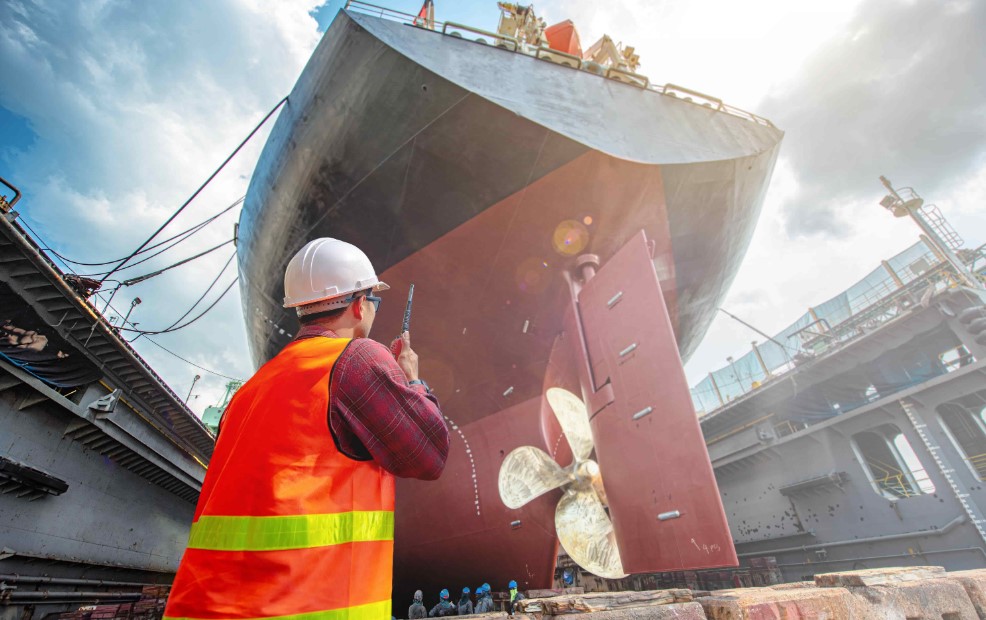
Maritime injury lawyers play a crucial role in the complex and specialized field of admiralty and maritime law. These legal professionals are dedicated to representing individuals who have suffered injuries or illnesses while working on or around navigable waters. From commercial fishermen and cruise ship employees to offshore oil rig workers and longshoremen, maritime injury lawyers advocate for a diverse range of clients whose occupations expose them to unique hazards and legal considerations.
The importance of maritime injury lawyers cannot be overstated in an industry where the risks are high and the legal landscape is intricate. These attorneys navigate a distinct set of laws and regulations that govern maritime activities, including the Jones Act, the Longshore and Harbor Workers’ Compensation Act (LHWCA), and general maritime law. Their expertise is essential in ensuring that injured maritime workers receive fair compensation and proper medical care, often in situations where the lines between state, federal, and international jurisdictions blur.
Understanding the Unique Aspects of Maritime Law
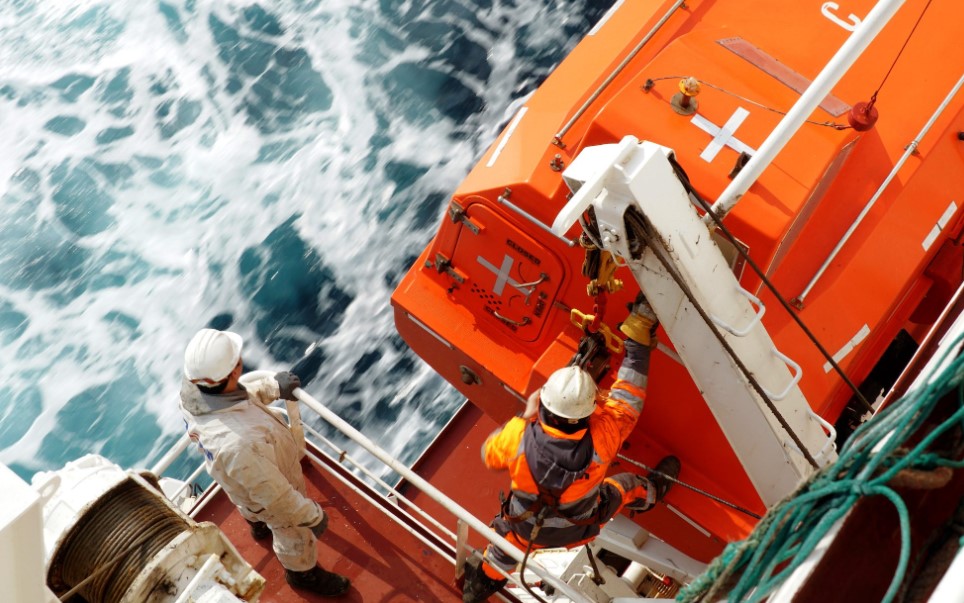
One of the primary functions of a maritime injury lawyer is to have a comprehensive understanding of the complex legal framework that governs maritime activities. Unlike land-based personal injury cases, maritime injuries fall under a specialized body of law that has evolved over centuries of seafaring tradition and international commerce.
Maritime injury lawyers must be well-versed in various federal statutes, including the Jones Act, which provides seamen with the right to sue their employers for negligence, and the LHWCA, which covers land-based maritime workers. They must also understand the concept of “maintenance and cure,” a fundamental principle of maritime law that requires vessel owners to provide for the basic living expenses and medical care of injured seamen, regardless of fault. This intricate legal landscape requires maritime injury lawyers to possess specialized knowledge and stay current with evolving case law and legislative changes.
Investigating Maritime Accidents and Injuries
When a maritime injury occurs, swift and thorough investigation is crucial. Maritime injury lawyers play a vital role in this process, often working against time to preserve evidence and document the circumstances of the accident. This investigative phase may involve:
- Visiting accident sites, which could be on vessels, offshore platforms, or in port facilities
- Interviewing witnesses, including crew members, passengers, and shore personnel
- Gathering and analyzing relevant documents, such as maintenance logs, safety records, and employment contracts
- Consulting with maritime safety experts and accident reconstruction specialists
- Reviewing weather reports, navigational data, and other environmental factors that may have contributed to the incident
The information gathered during this investigation forms the foundation of the legal strategy, helping the lawyer to establish liability and build a compelling case for their client.
Determining Jurisdiction and Applicable Laws
One of the most challenging aspects of maritime injury cases is determining which laws apply and in which court the case should be filed. Maritime injury lawyers must navigate a complex interplay of state, federal, and international laws, often dealing with incidents that occur in international waters or involve vessels and companies from multiple countries.
These attorneys must be adept at analyzing the specific circumstances of each case to determine the most advantageous jurisdiction and legal framework for their clients. This might involve considerations such as:
- The location of the accident (territorial waters, high seas, or foreign waters)
- The flag state of the vessel involved
- The nationality and employment status of the injured worker
- The nature of the maritime activity being conducted at the time of injury
Making the right decisions in these matters can significantly impact the outcome of the case, affecting everything from the applicable statutes of limitations to the types of damages that can be claimed.
Advocating for Injured Maritime Workers

At the core of a maritime injury lawyer’s role is advocacy for their clients. This involves representing injured maritime workers in negotiations with employers, insurance companies, and other parties involved in the case. Maritime injury lawyers must be skilled negotiators, able to articulate their clients’ needs and rights effectively.
In many cases, this advocacy extends to litigation. Maritime injury lawyers represent their clients in court, presenting evidence, examining witnesses, and arguing legal points before judges and juries. They must be prepared to handle the unique aspects of maritime trials, including:
- Explaining complex maritime laws and regulations to juries
- Presenting technical evidence related to vessel operations and maritime safety
- Countering arguments from well-resourced shipping companies and insurers
- Addressing jurisdictional challenges and choice of law issues
Throughout this process, maritime injury lawyers work to ensure that their clients receive fair compensation for their injuries, including medical expenses, lost wages, pain and suffering, and other damages applicable under maritime law.
Navigating Insurance and Compensation Claims
Maritime injury cases often involve complex insurance arrangements and compensation schemes. Maritime injury lawyers must be adept at navigating these systems to ensure their clients receive the full benefits to which they are entitled. This may include:
- Filing and pursuing claims under the Jones Act or LHWCA
- Negotiating with maritime employers’ insurance providers
- Pursuing maintenance and cure benefits for injured seamen
- Identifying and claiming against all available insurance policies, including Protection and Indemnity (P&I) insurance
Maritime injury lawyers must also be skilled at calculating and documenting the full extent of their clients’ damages, which can be particularly complex in cases involving long-term disabilities or career-ending injuries in the maritime industry.
Addressing Safety and Regulatory Compliance Issues
Beyond individual cases, maritime injury lawyers often play a broader role in promoting safety and regulatory compliance in the maritime industry. Through their work, these attorneys can:
- Identify systemic safety issues in maritime operations
- Advocate for improved safety regulations and enforcement
- Hold companies accountable for regulatory violations that lead to injuries
- Contribute to the development of case law that clarifies and strengthens maritime safety standards
By addressing these broader issues, maritime injury lawyers not only serve their individual clients but also contribute to making the maritime industry safer for all workers.
Staying Current with Maritime Technology and Industry Trends
The maritime industry is constantly evolving, with new technologies and operational practices emerging regularly. Maritime injury lawyers must stay abreast of these developments to effectively represent their clients. This ongoing education might include:
- Understanding the implications of autonomous vessel technology
- Keeping up with advances in maritime safety equipment and practices
- Recognizing the impact of changing environmental regulations on maritime operations
- Appreciating the complexities of modern global shipping and offshore energy production
By maintaining current knowledge of industry trends and technologies, maritime injury lawyers can better understand the context of accidents and more effectively advocate for their clients’ interests.
Providing Comprehensive Support to Injured Maritime Workers
Beyond legal representation, maritime injury lawyers often serve as a crucial support system for their clients. Maritime injuries can have devastating effects on workers and their families, impacting not just their physical health but also their financial stability and long-term career prospects. Maritime injury lawyers often find themselves:
- Assisting clients in accessing appropriate medical care
- Helping navigate the complexities of maritime employment contracts and union agreements
- Providing guidance on vocational rehabilitation and career transitions
- Offering support in dealing with the emotional and psychological impacts of maritime accidents
This holistic approach to client representation is a hallmark of experienced maritime injury lawyers, recognizing that their role extends beyond the courtroom to helping clients rebuild their lives after a serious maritime incident.
In conclusion, maritime injury lawyers play a multifaceted and vital role in protecting the rights and well-being of workers in one of the world’s most challenging and dangerous industries. Their expertise spans a unique body of law, combining elements of personal injury, workers’ compensation, and international maritime regulations. Through their work, these specialized attorneys not only seek justice for individual clients but also contribute to the ongoing evolution of maritime law and safety practices.
As the maritime industry continues to grow and change, the role of maritime injury lawyers remains crucial. They stand as advocates for those who face significant risks in their daily work on the world’s waterways, ensuring that when accidents occur, injured workers have a knowledgeable and dedicated ally to guide them through the complex legal aftermath. For anyone working in the maritime industry, understanding the role and importance of these specialized legal professionals can be a critical step in protecting their rights and securing their future in the face of workplace injuries or accidents.