

In the aftermath of an accident or injury, navigating the legal landscape can be overwhelming. Personal injury lawyers play a crucial role in helping victims seek justice and fair compensation for their losses. These legal professionals specialize in tort law, which covers civil litigation for injuries or wrongdoings resulting from negligence, intentional acts, or strict liability.
As the field of personal injury law continues to evolve, staying informed about the top attorneys in your area and understanding the nuances of personal injury cases has never been more important. This article aims to provide comprehensive insights into personal injury law, guidance on finding the best attorneys near you, and key considerations for your legal journey.
Read Also:
Understanding Personal Injury Law
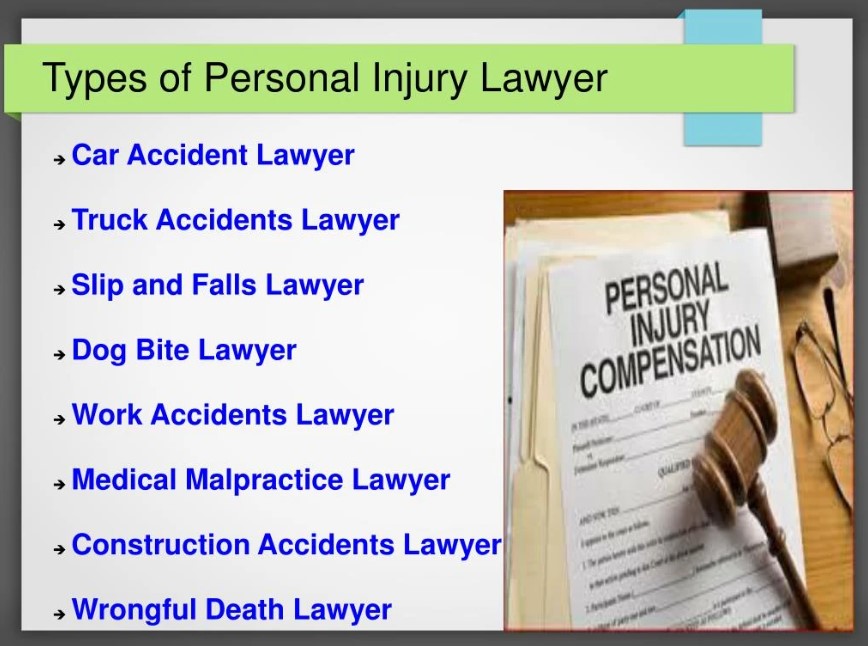
Personal injury law encompasses a wide range of cases where an individual suffers harm due to another party’s negligence or intentional actions. Common types of personal injury cases include:
- Car accidents
- Slip and fall incidents
- Medical malpractice
- Workplace injuries
- Product liability
- Dog bites
- Wrongful death
The primary goal of personal injury law is to make the injured party “whole” again through financial compensation. This compensation may cover medical expenses, lost wages, pain and suffering, and other damages related to the injury.
Recent developments in personal injury law have seen an increased focus on areas such as cyberbullying, autonomous vehicle accidents, and injuries related to new technologies. As society evolves, so does the scope of personal injury cases, making it essential to work with attorneys who stay abreast of these changes.
Qualities of Top Personal Injury Lawyers
When seeking the best personal injury attorney near you, consider the following qualities:
- Experience: Look for lawyers with a proven track record in handling cases similar to yours.
- Specialization: Choose an attorney who focuses primarily on personal injury law.
- Resources: Top firms often have the financial and professional resources to thoroughly investigate and litigate complex cases.
- Communication skills: Your lawyer should be able to explain legal concepts clearly and keep you informed throughout the process.
- Trial experience: While many cases settle out of court, having a lawyer with strong trial skills can be advantageous.
- Client testimonials: Reviews and testimonials from past clients can provide insight into an attorney’s effectiveness and client satisfaction.
- Professional recognition: Look for lawyers who have received awards or recognition from reputable legal organizations.
It’s worth noting that the definition of a “top” attorney may vary depending on individual needs and case specifics. What matters most is finding a lawyer who is well-suited to your particular situation and with whom you feel comfortable working.
How to Find Top Personal Injury Lawyers Near You

Locating the best personal injury attorneys in your area requires some research and due diligence. Here are effective methods to find top lawyers:
- Online legal directories: Websites like Avvo, Martindale-Hubbell, and FindLaw offer comprehensive listings of attorneys, often with ratings and reviews.
- State Bar Association: Your state’s bar association website typically provides a list of licensed attorneys and may offer referral services.
- Personal recommendations: Ask friends, family, or colleagues if they have experience with personal injury lawyers they would recommend.
- Local legal aid organizations: These organizations can often provide referrals to reputable attorneys, especially for those with limited financial resources.
- Online reviews: While not infallible, online reviews can offer insights into an attorney’s reputation and client satisfaction.
- Consultations: Many personal injury lawyers offer free initial consultations. Use these meetings to assess the attorney’s expertise and communication style.
- Professional associations: Organizations like the American Association for Justice (AAJ) can be valuable resources for finding skilled personal injury attorneys.
When researching, pay attention to an attorney’s case results, years of experience, and areas of specialization. However, remember that past success does not guarantee future results, as each case is unique.
The Importance of Local Representation
Choosing a local personal injury lawyer can offer several advantages:
- Familiarity with local laws and courts: Local attorneys often have in-depth knowledge of state-specific laws and local court procedures.
- Established relationships: Local lawyers may have existing relationships with judges, other attorneys, and expert witnesses in the area.
- Accessibility: It’s often easier to meet in person with a local attorney, which can be crucial for building a strong attorney-client relationship.
- Community reputation: Local attorneys have reputations within their communities, which can be valuable when negotiating with insurance companies or opposing counsel.
- Understanding of local juries: Experienced local attorneys often have insights into local jury tendencies, which can be beneficial in trial strategy.
While national firms may have extensive resources, the personalized attention and local expertise of a nearby attorney can be invaluable in personal injury cases.
The Legal Process in Personal Injury Cases
Understanding the typical process of a personal injury case can help you set realistic expectations:
- Initial consultation: Meet with the attorney to discuss your case and determine if they’re a good fit.
- Investigation: Your lawyer will gather evidence, interview witnesses, and review medical records.
- Demand letter: A formal demand for compensation is sent to the at-fault party or their insurance company.
- Negotiation: Your attorney will negotiate with the opposing party to reach a fair settlement.
- Filing a lawsuit: If negotiations fail, your lawyer may file a lawsuit on your behalf.
- Discovery: Both sides exchange information and evidence related to the case.
- Mediation: A neutral third party may attempt to facilitate a settlement agreement.
- Trial: If all other options fail, the case goes to trial where a judge or jury decides the outcome.
- Appeal: Either party may appeal the court’s decision if there are grounds to do so.
It’s important to note that most personal injury cases settle before reaching trial. However, having an attorney prepared to go to court if necessary can strengthen your negotiating position.
Costs and Fee Structures
Most personal injury lawyers work on a contingency fee basis, meaning they only get paid if you win your case. Typical contingency fees range from 33% to 40% of the settlement or award. This structure allows individuals to pursue legal action without upfront costs.
However, it’s crucial to understand the specifics of your fee agreement, including:
- Whether the percentage changes if the case goes to trial
- Who covers court costs and other expenses
- How fees are calculated if you change attorneys during the case
Some attorneys may offer alternative fee structures for certain types of cases, so it’s worth discussing options during your initial consultation.
Emerging Trends in Personal Injury Law
The field of personal injury law is continually evolving. Some current trends include:
- Increased use of technology: From virtual consultations to AI-powered case analysis, technology is changing how personal injury cases are handled.
- Focus on mental health: There’s growing recognition of the psychological impact of injuries, leading to more comprehensive damage calculations.
- Social media considerations: Social media posts can significantly impact personal injury cases, both positively and negatively.
- Autonomous vehicle accidents: As self-driving technology advances, new legal questions arise regarding liability in accidents involving these vehicles.
- Mass torts related to new products: Emerging products and technologies sometimes lead to widespread harm, resulting in complex mass tort litigation.
Staying informed about these trends can help you better understand the evolving landscape of personal injury law and choose an attorney who is well-versed in relevant areas.
In conclusion, finding the right personal injury lawyer is a critical step in seeking justice and fair compensation for your injuries. By understanding the key qualities of top attorneys, knowing how to locate them in your area, and being aware of the legal process and current trends, you can make an informed decision about your legal representation.
Remember that the “best” attorney for your case may not necessarily be the most famous or highest-rated overall, but rather the one whose expertise, communication style, and approach align best with your specific needs and circumstances. Take the time to research, consult with multiple attorneys, and trust your instincts when making this important decision. With the right legal representation, you can navigate the complexities of personal injury law and focus on your recovery while your attorney fights for your rights and fair compensation.