
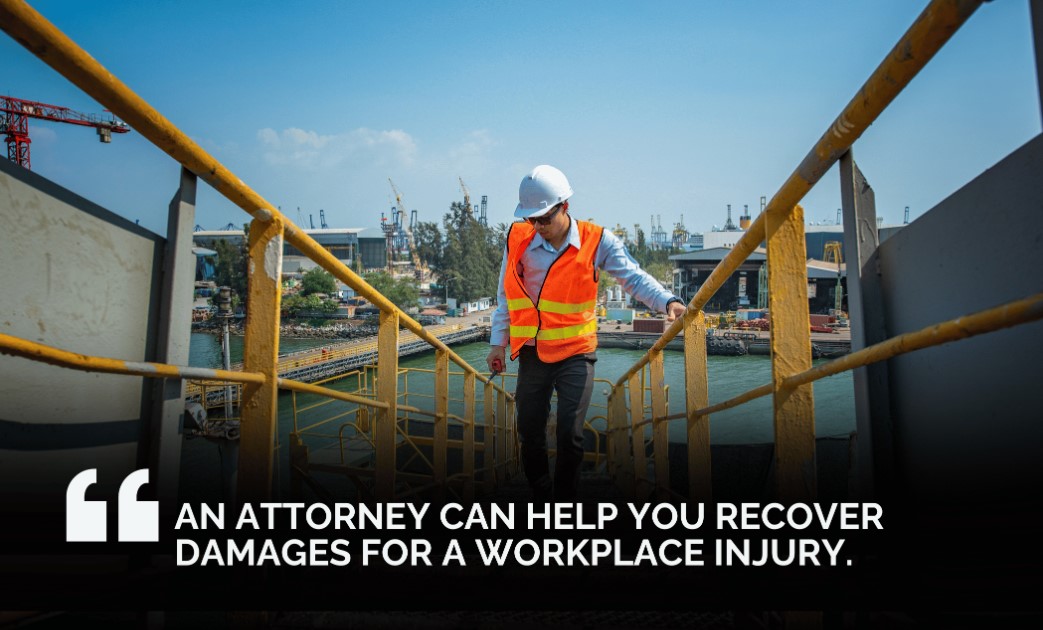
The vast expanse of offshore operations, from oil rigs to commercial fishing vessels, presents a unique and often hazardous work environment for countless individuals. When accidents occur in these challenging settings, the legal landscape becomes as complex as the waters themselves. This is where offshore injury attorneys, specializing in maritime law and the Jones Act, play a crucial role in navigating the intricate legal waters to protect the rights of injured offshore workers.
Offshore injury attorneys are not just legal professionals; they are specialists in a niche area of law that combines elements of personal injury, workers’ compensation, and international maritime regulations. Their expertise is vital in cases involving injuries sustained on oil platforms, cargo ships, fishing boats, and other vessels operating in coastal waters or on the high seas. These attorneys are well-versed in the nuances of maritime law, including the Jones Act, which provides specific protections for seamen injured in the course of their employment. Their role is multifaceted, encompassing everything from initial case evaluation to courtroom advocacy, all aimed at securing fair compensation and justice for their clients in an industry where the stakes are as high as the risks.
Understanding the Complexities of Maritime Law
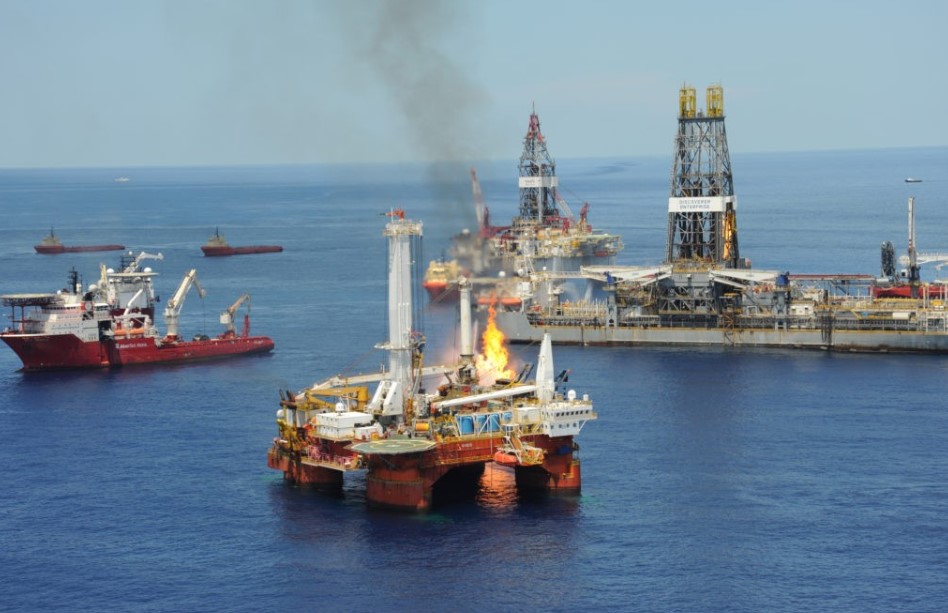
Maritime law, also known as admiralty law, is a body of laws, conventions, and treaties that govern nautical issues and private maritime disputes. Offshore injury attorneys must have a deep understanding of this complex legal framework, which can differ significantly from land-based law. Key aspects of maritime law that these attorneys navigate include:
- The principle of maintenance and cure, which requires vessel owners to provide for injured seamen regardless of fault
- The doctrine of unseaworthiness, which holds vessel owners accountable for injuries resulting from a vessel’s inability to perform its intended function
- The concept of comparative negligence, which can affect the amount of compensation an injured worker may receive
Moreover, maritime law often involves intricate jurisdictional issues, as cases may fall under state, federal, or even international law depending on where the incident occurred and the flags under which vessels operate. Offshore injury attorneys must be adept at determining the appropriate jurisdiction and applicable laws for each unique case.
The Jones Act: A Cornerstone of Offshore Injury Law
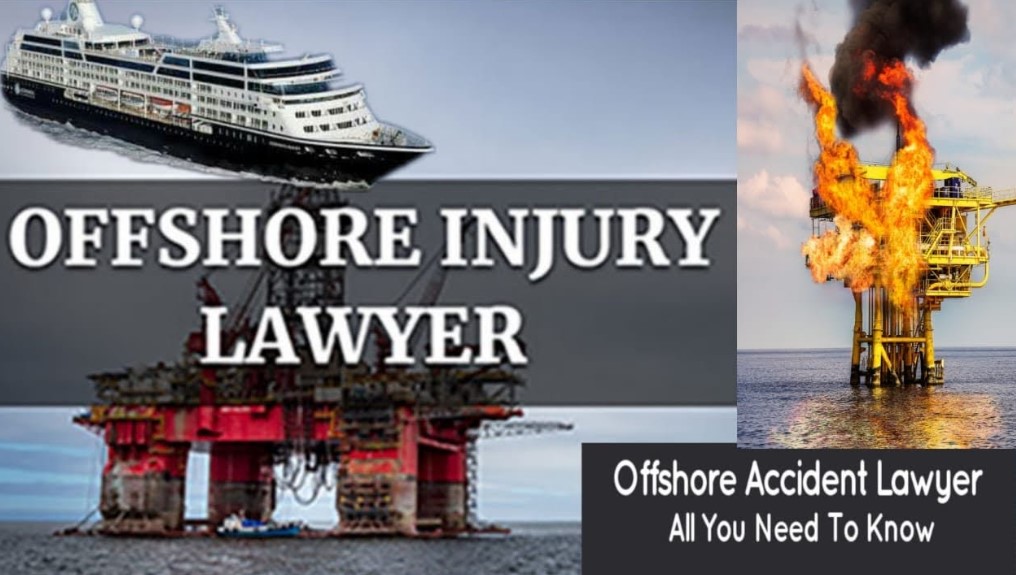
The Jones Act, formally known as the Merchant Marine Act of 1920, is a federal statute that provides heightened legal protections for seamen. Offshore injury attorneys specializing in Jones Act cases play a vital role in helping injured maritime workers secure compensation beyond the basic maintenance and cure provisions. Key aspects of the Jones Act that these attorneys leverage include:
- The right of seamen to sue their employers for negligence
- A more favorable burden of proof for establishing causation in injury cases
- The ability to claim a broader range of damages, including pain and suffering and lost future earnings
However, determining who qualifies as a seaman under the Jones Act can be complex. Offshore injury attorneys must be skilled at analyzing each client’s specific job duties and relationship to a vessel or fleet to establish their status under the Act. This determination is crucial, as it can significantly impact the legal strategies employed and the potential compensation available to the injured worker.
Investigating Offshore Accidents: Gathering Critical Evidence
One of the most challenging aspects of offshore injury cases is the investigation process. Offshore injury attorneys often work against time and logistical challenges to gather and preserve crucial evidence. This may involve:
- Dispatching investigators to offshore locations, sometimes in international waters
- Securing and analyzing maintenance logs, safety records, and crew statements
- Employing marine engineers and safety experts to assess equipment failures or procedural shortcomings
- Utilizing advanced technology, such as underwater cameras or 3D modeling, to reconstruct accident scenes
The evidence gathered during these investigations forms the backbone of the legal case, helping to establish liability and counter potential defenses from employers or vessel owners. Offshore injury attorneys must be adept at coordinating these complex investigations and interpreting the technical data they yield.
Navigating the Unique Challenges of Offshore Medical Care
Injuries that occur offshore present unique medical challenges, which offshore injury attorneys must understand and address in their legal strategies. These challenges include:
- The limitations of onboard medical facilities and the potential delay in accessing comprehensive care
- The impact of evacuation procedures on the severity of injuries
- The long-term effects of injuries exacerbated by the offshore environment
Offshore injury attorneys work closely with medical experts to fully understand the extent of their clients’ injuries and the impact of delayed or limited initial care. This medical knowledge is crucial in building comprehensive claims that account for all aspects of the client’s injuries, including future medical needs and potential long-term disabilities.
Dealing with Powerful Defendants: Oil Companies and Shipping Conglomerates
Offshore injury cases often pit individual workers against powerful and well-resourced defendants, including multinational oil companies and large shipping conglomerates. Offshore injury attorneys must be prepared to:
- Counter aggressive defense tactics and attempts to minimize liability
- Navigate complex corporate structures to identify all potentially liable parties
- Leverage their own networks of experts and resources to level the playing field
These attorneys play a crucial role in ensuring that their clients’ voices are heard and their rights protected against formidable opponents. They must be skilled negotiators and, when necessary, fierce litigators capable of taking on large corporate legal teams.
Understanding the Global Nature of Maritime Industries
The maritime industry is inherently global, and offshore injury attorneys must have a broad understanding of international maritime laws and conventions. This global perspective is essential when dealing with cases involving:
- Vessels operating under flags of convenience
- Incidents occurring in international waters
- Crews comprised of multinational workers
Offshore injury attorneys must be adept at navigating the complexities of international maritime law, including the application of conventions such as the International Convention for the Safety of Life at Sea (SOLAS) and the Maritime Labour Convention. This international expertise is crucial in determining jurisdiction, applicable laws, and potential avenues for compensation in cross-border cases.
Addressing Environmental Factors in Offshore Injury Cases
The offshore environment itself often plays a significant role in maritime injuries. Offshore injury attorneys must consider and address various environmental factors in their cases, including:
- Extreme weather conditions and their impact on working conditions
- The effects of prolonged exposure to marine environments on equipment and structures
- The unique risks associated with different offshore operations, from deep-sea drilling to wind farm construction
By understanding and effectively presenting these environmental factors, offshore injury attorneys can paint a comprehensive picture of the conditions that led to their clients’ injuries. This approach is crucial in establishing negligence or unseaworthiness claims and countering arguments that injuries were simply the result of inherent risks in offshore work.
Staying Current with Technological Advancements in Offshore Industries
The offshore industry is constantly evolving, with new technologies and operational practices emerging regularly. Offshore injury attorneys must stay abreast of these developments to effectively represent their clients. This ongoing education might include:
- Understanding the implications of autonomous vessel technology and remote-operated underwater vehicles
- Keeping up with advances in offshore safety equipment and practices
- Recognizing the impact of new drilling and exploration technologies on worker safety
- Appreciating the complexities of modern offshore wind energy production
By maintaining current knowledge of industry trends and technologies, offshore injury attorneys can better understand the context of accidents and more effectively advocate for their clients’ interests. This technological awareness also helps in identifying potential new sources of liability and in challenging outdated safety practices.
In conclusion, offshore injury attorneys specializing in maritime law and Jones Act cases play a vital role in protecting the rights of workers in one of the world’s most challenging and dangerous industries. Their expertise spans a complex legal landscape, combining elements of personal injury law, workers’ compensation, and international maritime regulations. Through their work, these specialized attorneys not only seek justice for individual clients but also contribute to the ongoing evolution of maritime safety practices and legal protections for offshore workers.
As offshore industries continue to expand and evolve, the importance of skilled offshore injury attorneys grows correspondingly. These legal professionals stand as a crucial line of defense for workers facing significant risks in their daily operations on the world’s oceans. For anyone working in offshore industries, understanding the role and importance of these specialized attorneys can be a critical step in protecting their rights and securing their future in the face of workplace injuries or accidents. In an industry where the stakes are as high as the waves, offshore injury attorneys serve as beacons of hope and justice for those navigating the perilous waters of maritime employment.