

In the heart of Tennessee, where the rolling hills meet the bustling cities, a story of resilience and determination unfolds. John Thompson, a 62-year-old mechanic from Nashville, never imagined that his decades of dedication to fixing cars would lead him down a path of battling a rare and aggressive cancer. This is John’s story of living with mesothelioma and his pursuit of justice in the face of a life-altering diagnosis.
Mesothelioma, a cancer caused by asbestos exposure, has become an unwelcome intruder in John’s life. As we delve into his journey, we’ll explore the challenges he faces, the support he’s found, and the legal battle he’s undertaken to secure his family’s future. John’s story is not just about one man’s fight against cancer; it’s a testament to the ongoing impact of asbestos in various industries and the importance of holding companies accountable for their negligence.
The Diagnosis: A Life-Changing Moment
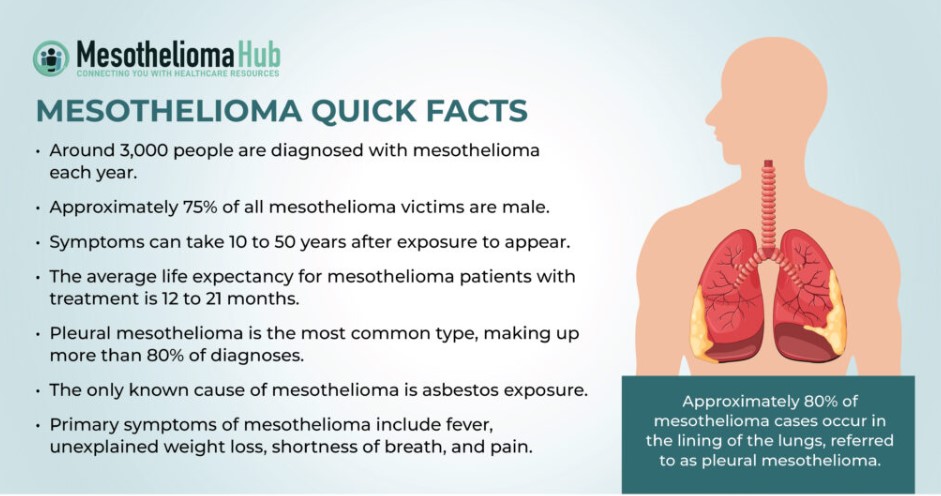
John’s journey with mesothelioma began with what he thought was a persistent cold. Shortness of breath and a nagging cough led him to his local doctor in Nashville. After a series of tests and referrals, John received the devastating news: he had pleural mesothelioma, a cancer affecting the lining of the lungs.
Key points about John’s diagnosis:
- Initial symptoms: Shortness of breath, cough, and chest pain
- Diagnostic process: X-rays, CT scans, and eventually a biopsy
- Stage of cancer: Stage III pleural mesothelioma at the time of diagnosis
- Prognosis: Given a life expectancy of 12-18 months without treatment
The diagnosis came as a shock to John and his family. “I’ve always been healthy,” John recalls. “I never smoked, ate right, and stayed active. To hear I had cancer, and such a rare one at that, it felt like the ground dropped out from under me.”
Tracing the Exposure: A Career in Automotive Repair
As John grappled with his diagnosis, he worked with his doctors to understand how he might have been exposed to asbestos. The answer lay in his 40-year career as an automotive mechanic:
- Brake work: Asbestos was commonly used in brake pads and linings until the late 1990s
- Clutch repairs: Many clutch facings contained asbestos fibers
- Gasket replacements: Engine and exhaust gaskets often contained asbestos for heat resistance
- Underbody work: Exposure to asbestos-containing undercoating materials
John remembers the working conditions: “Back then, we didn’t know about the dangers. We’d blow out brake dust with compressed air, and it would cloud up the whole shop. No one told us we needed masks or special ventilation.”
Recent studies have shown that mechanics who worked on vehicles before the 2000s have a higher risk of developing mesothelioma due to asbestos exposure from automotive parts.
The Treatment Journey: Fighting Mesothelioma
Upon his diagnosis, John began an aggressive treatment plan at Vanderbilt-Ingram Cancer Center in Nashville. His treatment regimen includes:
- Chemotherapy: A combination of pemetrexed and cisplatin
- Immunotherapy: Participation in a clinical trial for a new immunotherapy drug
- Palliative care: Focused on managing symptoms and improving quality of life
- Potential for surgery: Evaluating the possibility of a pleurectomy/decortication procedure
Dr. Sarah Jenkins, John’s oncologist, explains, “We’re taking a multi-modal approach with John. While we can’t cure his mesothelioma, our goal is to extend his life and maintain the best quality of life possible.”
John’s treatment journey has been challenging, with side effects including fatigue, nausea, and weight loss. However, he remains optimistic: “Every day I can spend with my family is a blessing. I’m fighting this with everything I’ve got.”
The Legal Battle: Seeking Justice and Compensation
As John focused on his health, he also began to explore his legal options. With the help of a specialized mesothelioma attorney, he filed lawsuits against several manufacturers of asbestos-containing auto parts. The legal process has involved:
- Identifying responsible parties: Tracking down companies that manufactured the asbestos-containing products John used
- Filing claims: Submitting claims to asbestos trust funds and filing lawsuits against solvent companies
- Gathering evidence: Collecting work history records, medical documents, and testimony from coworkers
- Negotiating settlements: Working towards fair compensation through settlements or preparing for trial
John’s attorney, Michael Rodriguez, explains the complexity of the case: “Mesothelioma cases are unique because the exposure often happened decades ago. We’re piecing together John’s work history to show exactly when and how he was exposed to these dangerous products.”
The legal battle has been both a source of hope and stress for John. “It’s not just about the money,” he says. “I want these companies to understand the harm they’ve caused and take responsibility. Maybe it’ll help prevent this from happening to someone else.”
Impact on Family and Community
John’s mesothelioma diagnosis has had a profound impact on his family and community:
- Family support: John’s wife, Sarah, has become his primary caregiver
- Financial strain: Medical bills and reduced income have created financial challenges
- Community rallying: Local auto shops have organized fundraisers to support John’s family
- Awareness raising: John has become an advocate for asbestos awareness in his community
Sarah shares, “It’s been hard watching John go through this. But we’re facing it together, and the support from our friends and neighbors has been overwhelming.”
John’s story has also raised awareness about the ongoing risks of asbestos exposure. Local mechanic shops have started implementing stricter safety measures and educating their staff about the dangers of asbestos in older vehicles.
Coping Strategies and Support Systems
Living with mesothelioma has required John to develop new coping strategies and lean on various support systems:
- Support groups: Joining a mesothelioma support group at Vanderbilt-Ingram Cancer Center
- Mental health counseling: Regular sessions with a psychologist specializing in cancer patients
- Lifestyle changes: Adopting a healthier diet and gentle exercise routine
- Alternative therapies: Exploring acupuncture and meditation for symptom management
John emphasizes the importance of mental resilience: “Some days are tougher than others, but I try to stay positive. The support group has been a lifeline – it helps to talk to others who really understand what you’re going through.”
Looking to the Future: Hope and Legacy
Despite the challenges, John remains focused on the future:
- Treatment milestones: Celebrating each successful round of treatment
- Family time: Making memories with his children and grandchildren
- Advocacy work: Planning to start a foundation for automotive workers affected by asbestos-related diseases
- Legal outcomes: Hoping for a resolution to his lawsuits that will provide for his family’s future
“I may not be able to change my diagnosis,” John reflects, “but I can change how I live with it. I want my grandkids to remember me as someone who never gave up and who tried to make a difference.”
In conclusion, John Thompson’s journey with mesothelioma is a powerful reminder of the long-lasting impact of asbestos exposure and the importance of workplace safety. His story highlights the complex medical, legal, and personal challenges faced by mesothelioma patients and their families. Through it all, John’s resilience and determination shine through, offering hope and inspiration to others facing similar battles.
As John continues his fight against mesothelioma and for justice, his story serves as a call to action. It underscores the need for ongoing research into better treatments for asbestos-related diseases, stricter regulations on asbestos use, and continued support for those affected by this devastating cancer. John’s journey is far from over, but his courage in the face of adversity is leaving a lasting impact on his family, his community, and the broader fight against the lingering effects of asbestos in our society.