
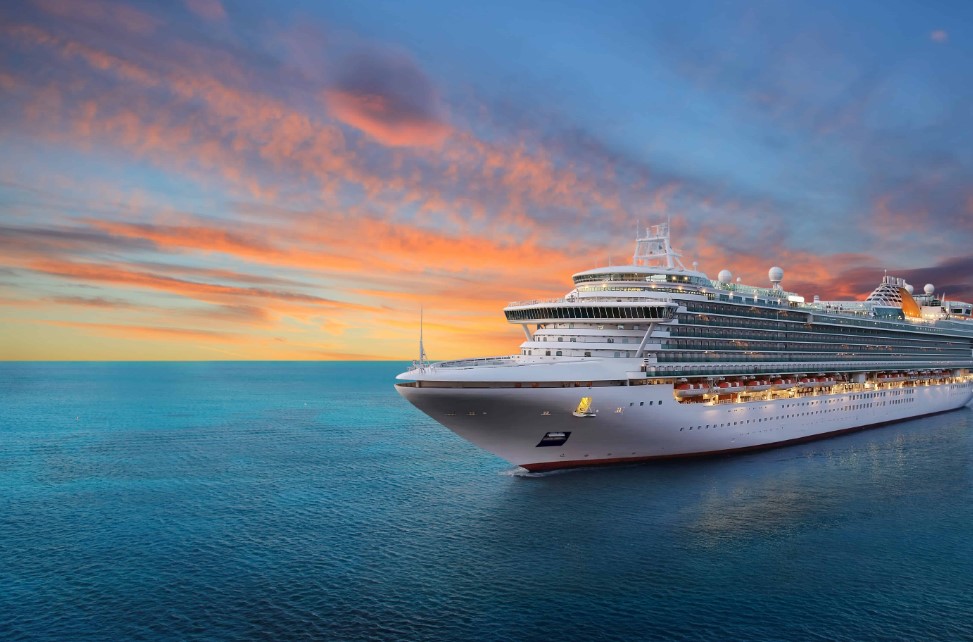
The allure of cruise ship vacations has captivated travelers for decades, offering a unique blend of luxury, adventure, and relaxation on the high seas. However, beneath the veneer of carefree indulgence lies a complex legal landscape that comes into sharp focus when accidents or injuries occur onboard. Cruise ship accident and injury lawyers play a crucial role in this specialized field, serving as advocates for passengers and crew members who find themselves victims of negligence or misconduct while at sea.
The intersection of maritime law, international treaties, and the jurisdictional complexities inherent in cruise ship operations creates a challenging environment for legal professionals. These specialized attorneys must navigate a maze of regulations, contractual limitations, and geographical boundaries to secure justice for their clients. This article delves into the multifaceted world of cruise ship accident and injury law, exploring the unique challenges, key legal considerations, and the vital role these lawyers play in protecting the rights of those affected by cruise ship incidents.
Understanding the Scope of Cruise Ship Accidents and Injuries
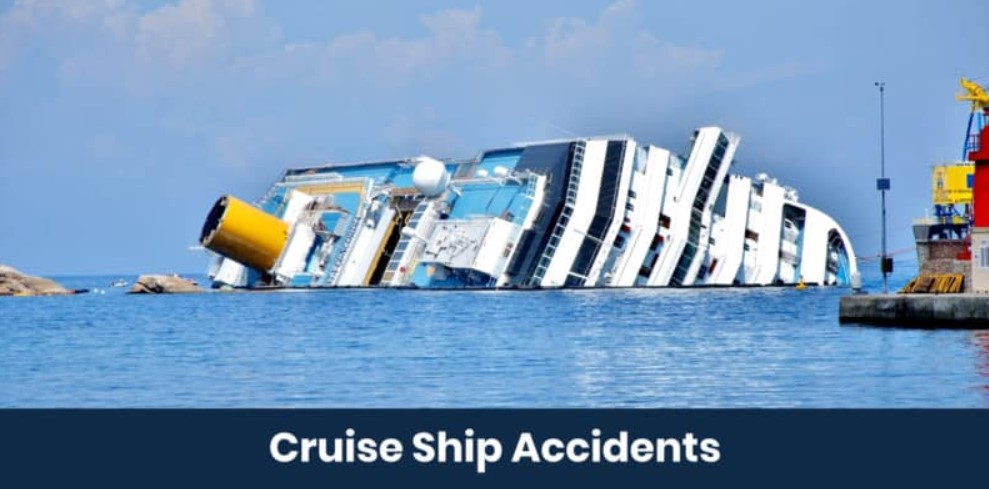
Cruise ship accidents and injuries encompass a wide range of incidents, each presenting its own set of legal challenges. Common types of cases handled by cruise ship injury lawyers include:
- Slip and fall accidents: Often resulting from wet decks, uneven surfaces, or inadequate maintenance.
- Food poisoning and illness outbreaks: Including norovirus and other contagious diseases that can spread rapidly in confined shipboard environments.
- Sexual assaults and crimes: Unfortunately, criminal activities can occur on cruise ships, requiring specialized legal intervention.
- Medical malpractice: Involving inadequate or negligent medical care provided by onboard medical staff.
- Shore excursion accidents: Injuries occurring during cruise-sponsored activities at ports of call.
- Overboard incidents: Cases involving passengers or crew members falling overboard, often under mysterious circumstances.
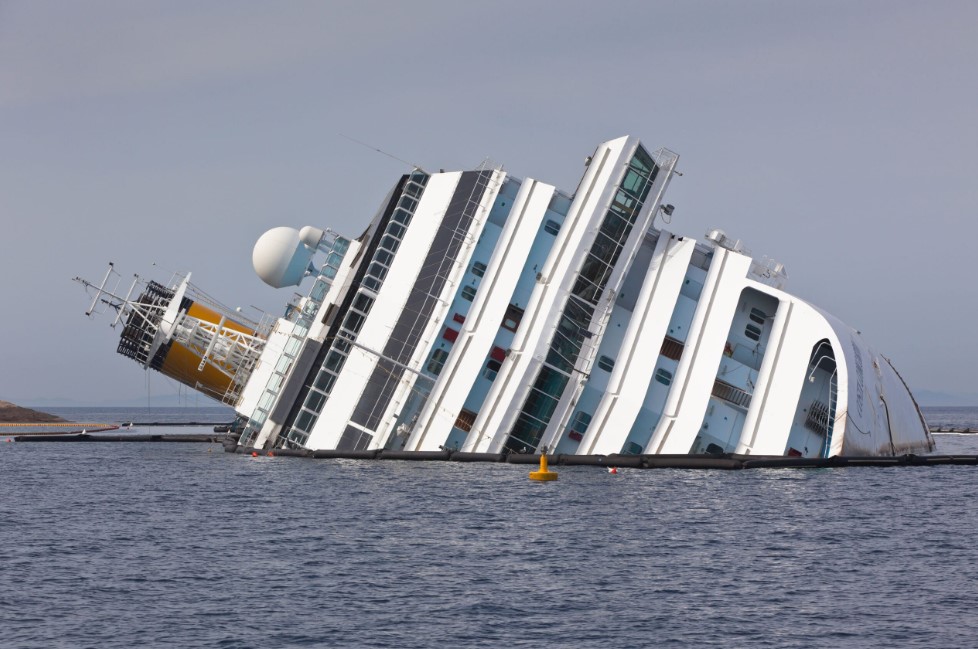
- Collisions and sinkings: Although rare, these catastrophic events require extensive legal expertise.
- Crew member injuries: Accidents involving ship employees, which fall under different legal frameworks than passenger injuries.
Understanding the nuances of each type of incident is crucial for cruise ship accident and injury lawyers, as the applicable laws and strategies can vary significantly depending on the nature of the case.
The Unique Legal Landscape of Cruise Ship Litigation
Cruise ship accident and injury cases operate within a distinct legal framework that combines elements of maritime law, international treaties, and the specific laws of various jurisdictions. Key aspects of this legal landscape include:
Maritime Law and Admiralty Jurisdiction
Cruise ship cases often fall under admiralty jurisdiction, which is governed by a specific set of laws and procedures. Maritime law, also known as admiralty law, has evolved over centuries to address the unique challenges of seafaring and commerce on the oceans. Cruise ship injury lawyers must be well-versed in:
- The Jones Act: Governing the rights of crew members injured at sea.
- The Death on the High Seas Act (DOHSA): Applicable in cases of fatalities occurring beyond territorial waters.
- General Maritime Law: Providing overarching principles for maritime cases.
Understanding these laws and how they interact with other legal frameworks is essential for effective representation in cruise ship injury cases.
International Treaties and Conventions
Several international agreements impact cruise ship litigation, including:
- The Athens Convention: Relating to the Carriage of Passengers and their Luggage by Sea.
- The International Convention for the Safety of Life at Sea (SOLAS): Establishing minimum safety standards for merchant ships.
- The Maritime Labour Convention: Ensuring decent working conditions for seafarers worldwide.
Cruise ship accident lawyers must navigate these international frameworks while also considering their applicability and enforceability in specific cases.
Jurisdictional Complexities
One of the most challenging aspects of cruise ship injury cases is determining the appropriate jurisdiction for legal action. Factors influencing jurisdiction include:
- The location of the incident (territorial waters, international waters, or port)
- The flag state of the vessel
- The passenger’s country of origin
- The cruise line’s place of incorporation and principal place of business
Skillful attorneys must strategically select the most favorable jurisdiction for their clients, considering factors such as applicable laws, potential damages, and the likelihood of a favorable outcome.
Key Legal Considerations in Cruise Ship Injury Cases
Cruise ship accident and injury lawyers must grapple with several unique legal considerations when representing clients:
Statute of Limitations and Notice Requirements
Cruise lines often impose strict time limits for filing claims, typically outlined in the passenger ticket contract. These limitations can be as short as six months for providing notice of a claim and one year for filing a lawsuit. Attorneys must act quickly to preserve their clients’ rights and comply with these contractual obligations.
Forum Selection Clauses
Many cruise line contracts specify a particular location where lawsuits must be filed, often favoring the cruise line’s home jurisdiction. Lawyers must be prepared to challenge these clauses or navigate the specified legal system effectively.
Liability Waivers and Contractual Limitations
Cruise lines frequently include liability waivers and limitations in their passenger contracts. Skilled attorneys must scrutinize these provisions and develop strategies to overcome them when appropriate.
Evidentiary Challenges
Gathering evidence in cruise ship cases can be particularly challenging due to:
- The transient nature of witnesses (both passengers and crew)
- Limited access to the accident scene once the ship has departed
- Potential manipulation or destruction of evidence by the cruise line
Experienced cruise ship injury lawyers employ various techniques to preserve and collect crucial evidence, including rapid response teams and detailed documentation processes.
The Role of Cruise Ship Accident and Injury Lawyers
Attorneys specializing in cruise ship accidents and injuries play a multifaceted role in advocating for their clients:
Case Evaluation and Strategy Development
Upon taking a case, lawyers must:
- Thoroughly review the incident details and available evidence
- Assess the applicability of various laws and jurisdictions
- Develop a comprehensive legal strategy tailored to the specific circumstances
This initial evaluation is critical in determining the viability of a case and the best approach for seeking compensation.
Negotiation with Cruise Lines
Many cruise ship injury cases are resolved through negotiation rather than litigation. Skilled attorneys leverage their knowledge of maritime law and cruise line practices to:
- Present compelling arguments for liability
- Quantify damages accurately
- Navigate the complex bureaucracy of large cruise corporations
Effective negotiation can often lead to favorable settlements without the need for protracted court battles.
Litigation and Trial Representation
When cases proceed to court, cruise ship injury lawyers must be prepared to:
- File lawsuits in the appropriate jurisdiction
- Conduct thorough discovery, including depositions and document requests
- Present expert testimony on maritime safety, medical issues, and other relevant topics
- Argue complex legal points related to maritime law and international treaties
The ability to effectively litigate these cases requires a deep understanding of both the legal intricacies and the practical realities of cruise ship operations.
Client Advocacy and Support
Beyond legal representation, cruise ship accident and injury lawyers often serve as advocates and support systems for their clients, who may be dealing with:
- Severe physical injuries or emotional trauma
- Financial hardships due to medical bills and lost wages
- Navigating complex insurance claims and medical treatments
Compassionate and comprehensive client support is a hallmark of effective representation in this field.
Challenges Faced by Cruise Ship Accident and Injury Lawyers
Attorneys specializing in cruise ship cases face several unique challenges:
- Jurisdictional complexity: Determining the appropriate venue for legal action and navigating multiple legal systems.
- International aspects: Dealing with foreign laws, languages, and cultural differences in multinational cases.
- Limited timeframes: Working within strict contractual and statutory time limits for filing claims.
- Resource disparities: Confronting well-funded cruise line legal teams with extensive resources.
- Evolving regulations: Staying abreast of changes in maritime law and international conventions.
- Technological advancements: Adapting to new forms of evidence and investigative techniques in the digital age.
Overcoming these challenges requires continuous education, adaptability, and a network of international legal and investigative resources.
The Future of Cruise Ship Accident and Injury Law
As the cruise industry continues to evolve, so too will the legal landscape surrounding it. Several trends are likely to shape the future of cruise ship accident and injury law:
- Increased focus on passenger safety: Stricter regulations and enhanced safety measures in response to high-profile incidents.
- Technological integration: The use of AI, blockchain, and other technologies in evidence gathering and case management.
- Environmental considerations: Growing emphasis on environmental law as it intersects with cruise ship operations and accidents.
- Alternative dispute resolution: Expanded use of arbitration and mediation in resolving cruise ship injury claims.
- Global cooperation: Enhanced international collaboration in investigating and prosecuting cruise ship incidents.
Cruise ship accident and injury lawyers will need to adapt to these changes while maintaining their commitment to protecting the rights of passengers and crew members.
Conclusion
The field of cruise ship accident and injury law presents a unique and challenging arena for legal professionals. The intersection of maritime law, international treaties, and complex jurisdictional issues creates a landscape that requires specialized knowledge and skills. Cruise ship injury lawyers serve as crucial advocates for those who have suffered harm while at sea, navigating the intricate legal waters to secure justice and compensation for their clients.
As the cruise industry continues to grow and evolve, the role of these specialized attorneys becomes increasingly important. They not only provide essential legal representation but also contribute to the ongoing development of maritime safety standards and passenger rights. For individuals who find themselves victims of cruise ship accidents or injuries, the expertise of these dedicated legal professionals can make a profound difference in their pursuit of justice and recovery. As we look to the future, cruise ship accident and injury lawyers will undoubtedly continue to play a vital role in shaping the legal landscape of maritime travel and ensuring the safety and well-being of all those who venture out to sea.