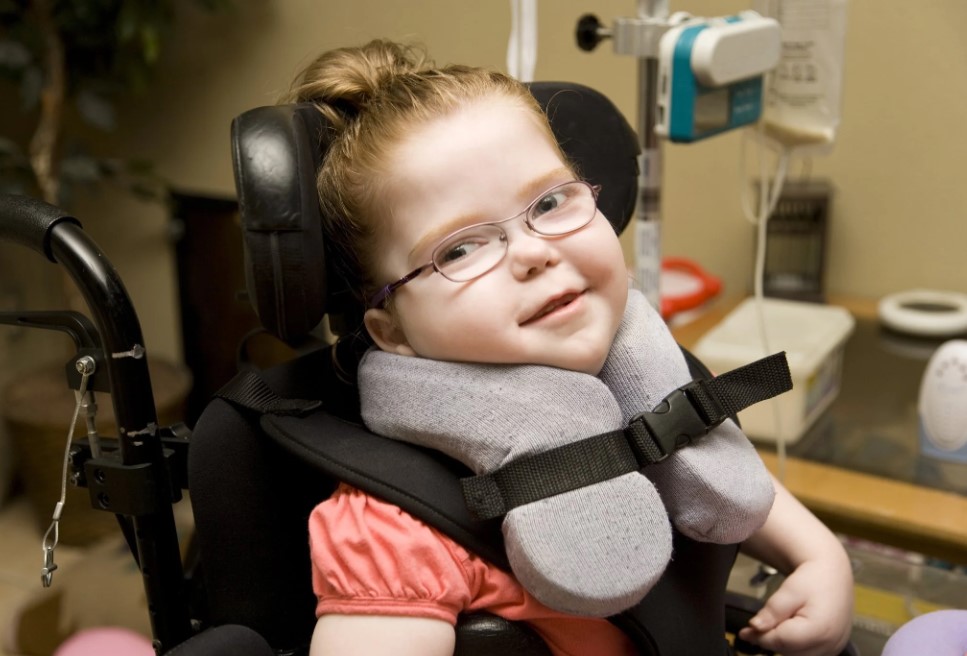
Cerebral palsy (CP) is a group of neurological disorders that affect movement, balance, and posture. It is the most common motor disability in childhood, affecting approximately 1 in 345 children in the United States. This condition results from abnormal brain development or damage to the developing brain, which can occur before, during, or shortly after birth.
As our understanding of cerebral palsy continues to evolve, so do the treatment options and legal considerations surrounding this complex condition. This article aims to provide a comprehensive overview of the causes, symptoms, and legal options available to individuals with cerebral palsy and their families, incorporating the latest research and developments in the field.
Causes of Cerebral Palsy
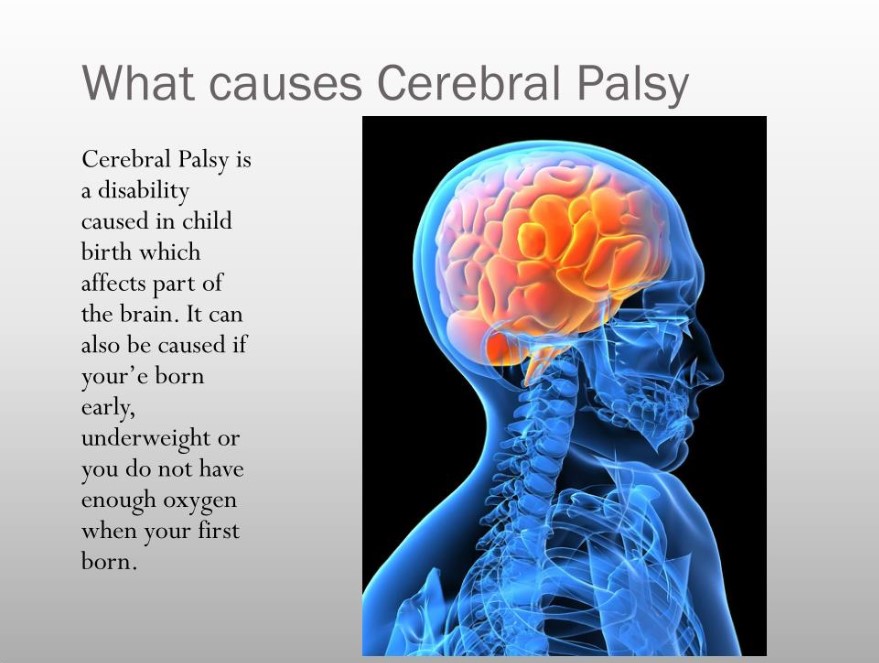
The exact causes of cerebral palsy are not always clear, but researchers have identified several factors that can contribute to its development:
- Genetic mutations: Recent studies have identified specific genes that may increase the risk of cerebral palsy.
- Infections during pregnancy: Certain infections, such as cytomegalovirus, rubella, or toxoplasmosis, can damage the developing fetal brain.
- Maternal health conditions: Thyroid problems, seizures, or other medical conditions in the mother may increase the risk.
- Premature birth: Babies born before 32 weeks of gestation are at higher risk of developing cerebral palsy.
- Multiple births: Twins, triplets, and other multiple births have a higher likelihood of developing CP.
- Birth complications: Lack of oxygen to the brain (asphyxia) during labor and delivery can cause brain damage.
- Head injuries: Trauma to an infant’s head, either during or after birth, can lead to cerebral palsy.
Types of Cerebral Palsy
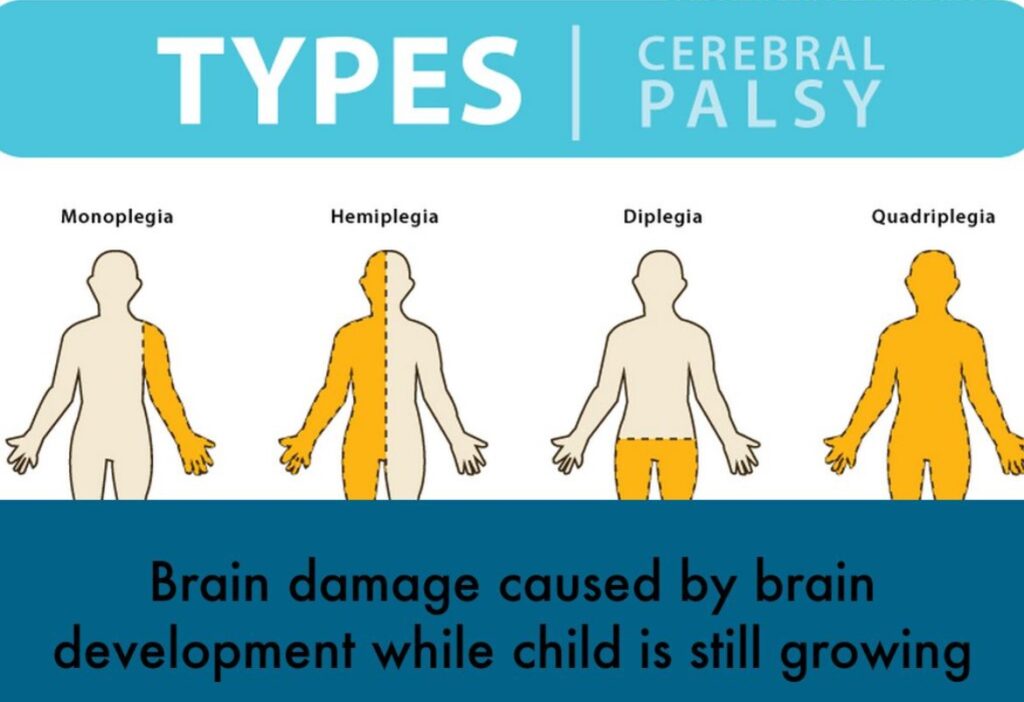
Cerebral palsy is classified into four main types, each affecting movement in different ways:
- Spastic Cerebral Palsy: The most common type, characterized by stiff muscles and awkward movements.
- Dyskinetic Cerebral Palsy: Involves uncontrollable movements that can be slow and writhing or rapid and jerky.
- Ataxic Cerebral Palsy: Affects balance and coordination, often resulting in unsteady walking and difficulty with fine motor tasks.
- Mixed Cerebral Palsy: A combination of two or more types of cerebral palsy.
Symptoms and Signs of Cerebral Palsy
The symptoms of cerebral palsy can vary widely depending on the type and severity of the condition. Common signs include:
- Delays in reaching motor skill milestones (e.g., rolling over, sitting up, crawling)
- Variations in muscle tone (too stiff or too floppy)
- Abnormal posture or asymmetrical body movements
- Difficulty with fine motor skills, such as picking up small objects
- Problems with balance and coordination
- Speech difficulties or delays
- Seizures (in some cases)
- Intellectual disabilities (in some cases)
It’s important to note that symptoms may change over time, and early intervention can significantly improve outcomes for individuals with cerebral palsy.
Diagnosis and Early Intervention
Early diagnosis of cerebral palsy is crucial for initiating timely interventions. The diagnostic process typically involves:
- Physical examination: Doctors assess the child’s motor skills, muscle tone, and reflexes.
- Medical history review: Information about pregnancy, birth, and early development is analyzed.
- Neuroimaging: MRI or CT scans can reveal brain abnormalities associated with cerebral palsy.
- Developmental screening: Regular assessments track a child’s progress in reaching milestones.
Recent advancements in diagnostic techniques, such as the General Movements Assessment (GMA), allow for earlier detection of cerebral palsy, sometimes as early as 3 months of age. This early identification enables prompt initiation of therapies and interventions, potentially improving long-term outcomes.
Treatment and Management Strategies
While there is no cure for cerebral palsy, various treatments and management strategies can help individuals with CP improve their functionality and quality of life:
- Physical therapy: Helps improve mobility, strength, and flexibility.
- Occupational therapy: Focuses on enhancing fine motor skills and daily living activities.
- Speech and language therapy: Addresses communication difficulties and swallowing problems.
- Medications: Can help manage muscle spasticity, seizures, and other associated conditions.
- Assistive devices: Such as braces, wheelchairs, or communication aids to support independence.
- Surgical interventions: In some cases, orthopedic or neurological surgeries may be recommended to improve function.
Emerging treatments, such as stem cell therapy and robotic-assisted gait training, show promise in improving outcomes for individuals with cerebral palsy, although more research is needed to fully understand their long-term efficacy.
Educational Considerations for Children with Cerebral Palsy
Education plays a crucial role in the development and future prospects of children with cerebral palsy. Key considerations include:
- Individualized Education Programs (IEPs): Tailored educational plans that address the specific needs of each child.
- Inclusive education: Integrating children with CP into mainstream classrooms when possible, with appropriate supports.
- Assistive technology: Utilizing specialized software and devices to facilitate learning and communication.
- Physical accommodations: Ensuring school environments are accessible and conducive to learning for students with mobility challenges.
Recent educational trends emphasize the importance of fostering independence and self-advocacy skills in students with cerebral palsy, preparing them for future academic and career pursuits.
Legal Options and Considerations
In some cases, cerebral palsy may result from medical negligence during pregnancy, childbirth, or early infancy. Families affected by CP may have legal options to pursue compensation for medical expenses, ongoing care, and other related costs. Key legal considerations include:
- Statute of limitations: The time frame within which legal action must be initiated varies by jurisdiction.
- Proving negligence: Establishing that the healthcare provider’s actions fell below the accepted standard of care.
- Expert testimony: Medical experts are often crucial in substantiating claims of negligence.
- Compensation calculation: Determining the full extent of current and future costs associated with cerebral palsy care.
Recent legal developments have seen an increased focus on the rights of individuals with disabilities, including those with cerebral palsy, in areas such as education, employment, and accessibility. Families should consult with experienced attorneys specializing in medical malpractice or disability rights to explore their options.
Future Prospects and Research Directions
The field of cerebral palsy research is rapidly evolving, with several promising areas of investigation:
- Gene therapy: Targeting specific genetic mutations associated with cerebral palsy.
- Neuroprotective strategies: Developing interventions to prevent or minimize brain damage in high-risk infants.
- Brain-computer interfaces: Enhancing communication and control capabilities for individuals with severe motor impairments.
- Regenerative medicine: Exploring the potential of stem cells to repair damaged brain tissue.
These advancements offer hope for improved treatments and outcomes for individuals with cerebral palsy in the coming years.
In conclusion, cerebral palsy presents complex challenges for affected individuals and their families. However, with early diagnosis, comprehensive treatment approaches, and appropriate support systems, many people with CP lead fulfilling and productive lives. As research continues to advance our understanding of this condition, new therapies and interventions are likely to emerge, further improving the quality of life for those living with cerebral palsy.
It is crucial for families affected by cerebral palsy to stay informed about the latest developments in treatment options, educational strategies, and legal considerations. By advocating for their rights and accessing available resources, individuals with cerebral palsy can maximize their potential and overcome many of the obstacles associated with this condition.