
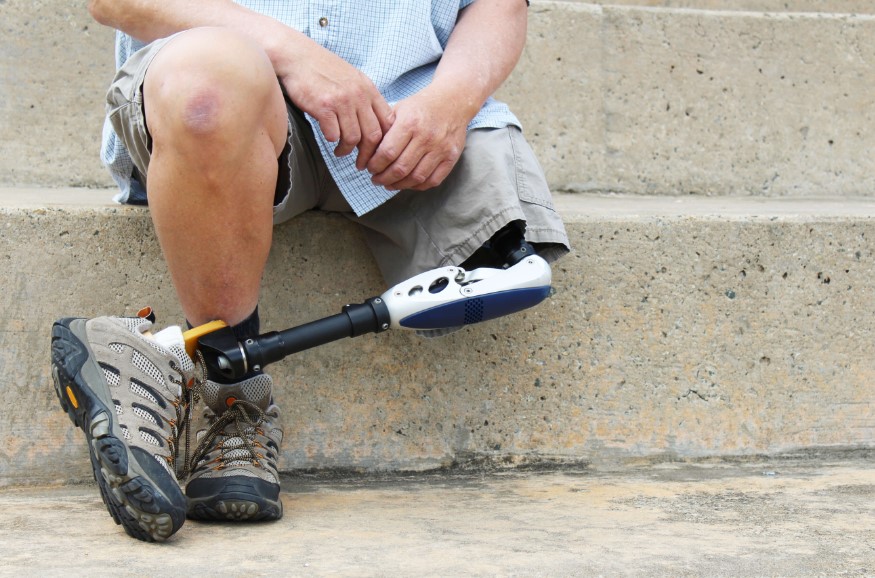
Amputation injuries represent some of the most devastating and life-altering trauma an individual can experience. The loss of a limb not only results in profound physical changes but also carries significant emotional, psychological, and financial repercussions that can last a lifetime. In the aftermath of such a catastrophic injury, amputation injury lawyers and loss of limb attorneys play a crucial role in advocating for the rights and well-being of victims, ensuring they receive the comprehensive compensation and support necessary to rebuild their lives.
These specialized legal professionals navigate a complex landscape of medical, legal, and insurance challenges to secure justice for their clients. Their expertise extends beyond mere litigation, encompassing a deep understanding of the long-term implications of amputation injuries and the multifaceted needs of those who have suffered such traumatic losses. This article delves into the vital role of amputation injury lawyers and loss of limb attorneys, exploring the nuances of their practice, the challenges they face, and the critical support they provide to victims and their families during one of life’s most challenging ordeals.
Understanding Amputation Injuries and Their Impact

Amputation injuries can occur in various contexts, each presenting unique legal and medical challenges. Common causes include:
- Workplace accidents: Industrial machinery, construction site incidents, and agricultural accidents.
- Motor vehicle collisions: Car, truck, and motorcycle accidents resulting in severe limb trauma.
- Medical malpractice: Surgical errors, misdiagnosis, or improper treatment leading to necessary amputations.
- Product liability: Defective products or machinery causing severe limb injuries.
- Combat injuries: Military personnel suffering limb loss in the line of duty.
- Recreational accidents: Sports-related injuries or accidents during leisure activities.
The impact of an amputation extends far beyond the immediate physical loss, affecting virtually every aspect of an individual’s life:
- Physical challenges: Reduced mobility, phantom limb pain, and the need for prosthetics or assistive devices.
- Emotional and psychological trauma: Depression, anxiety, post-traumatic stress disorder (PTSD), and body image issues.
- Financial burdens: Medical expenses, rehabilitation costs, loss of income, and potential long-term care needs.
- Lifestyle changes: Modifications to home and work environments, career changes, and altered personal relationships.
Amputation injury lawyers must comprehensively understand these impacts to effectively advocate for their clients and secure appropriate compensation.
The Role of Amputation Injury Lawyers and Loss of Limb Attorneys
These specialized legal professionals serve multiple critical functions in supporting amputation injury victims:
Comprehensive Case Evaluation
Upon taking a case, amputation injury lawyers conduct a thorough assessment, including:
- Investigating the circumstances leading to the injury
- Reviewing medical records and consulting with medical experts
- Assessing liability and identifying all potentially responsible parties
- Evaluating the long-term physical, emotional, and financial impacts of the amputation
This detailed evaluation forms the foundation for building a strong legal case and determining appropriate compensation.
Legal Strategy Development
Based on the case evaluation, attorneys develop tailored legal strategies that may involve:
- Pursuing personal injury claims against negligent parties
- Filing workers’ compensation claims for workplace injuries
- Engaging in product liability litigation for defective product cases
- Navigating complex medical malpractice lawsuits
The strategy often involves a multifaceted approach, addressing immediate needs while planning for long-term support.
Negotiation and Litigation
Amputation injury lawyers engage in negotiations with insurance companies, opposing counsel, and other relevant parties to secure fair settlements. When necessary, they prepare for and conduct litigation, including:
- Filing lawsuits in appropriate jurisdictions
- Conducting depositions and gathering evidence
- Presenting compelling arguments in court
- Utilizing expert witnesses to support claims
Their expertise in courtroom advocacy is crucial in securing favorable outcomes for their clients.
Coordination of Care and Support
Beyond legal representation, these attorneys often play a vital role in coordinating comprehensive care for their clients:
- Connecting clients with medical specialists and rehabilitation experts
- Assisting in securing appropriate prosthetics and assistive devices
- Facilitating access to psychological support and counseling services
- Advising on home and workplace modifications
This holistic approach ensures that clients receive the full spectrum of support needed for their recovery and adaptation.
Key Legal Considerations in Amputation Injury Cases
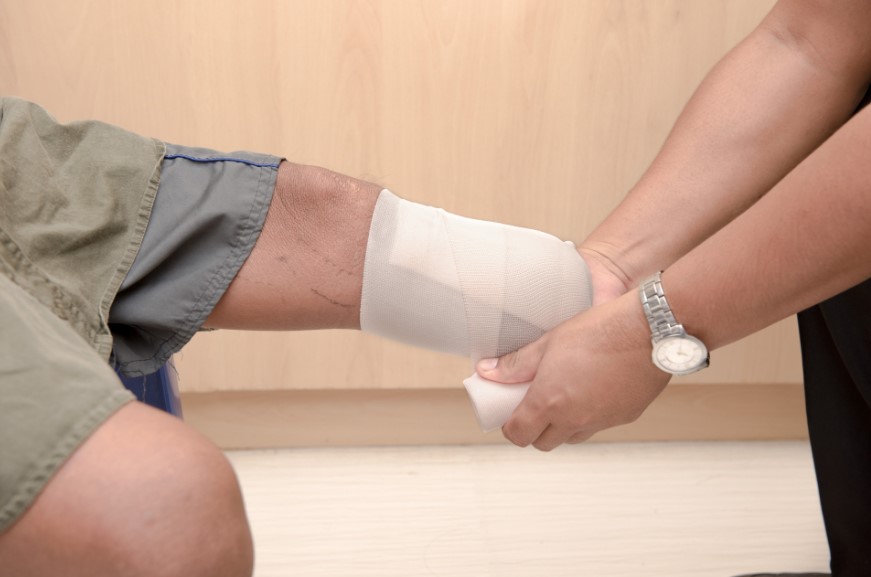
Amputation injury lawyers must navigate several critical legal considerations:
Statute of Limitations
Each jurisdiction has specific time limits for filing amputation injury claims. Attorneys must be acutely aware of these deadlines and act promptly to preserve their clients’ rights to compensation.
Liability Determination
Establishing liability is crucial in amputation cases. This may involve:
- Proving negligence in personal injury cases
- Demonstrating product defects in liability claims
- Establishing breaches of medical standards in malpractice suits
Thorough investigation and expert testimony are often necessary to establish clear liability.
Damage Calculation
Accurately calculating damages in amputation cases is complex, considering both current and future needs:
- Medical expenses (past and future)
- Rehabilitation and therapy costs
- Prosthetic devices and ongoing maintenance
- Lost wages and diminished earning capacity
- Pain and suffering
- Emotional distress and loss of enjoyment of life
Amputation injury lawyers often work with economic experts and life care planners to develop comprehensive damage assessments.
Insurance Coverage Issues
Navigating insurance policies is a critical aspect of amputation injury cases:
- Identifying all applicable insurance policies
- Understanding policy limits and exclusions
- Negotiating with multiple insurers in complex cases
- Addressing subrogation claims from health insurers
Skilled attorneys must maximize available coverage to ensure their clients receive adequate compensation.
Challenges in Amputation Injury Litigation
Amputation injury lawyers face several unique challenges in representing their clients:
Medical Complexity
Amputation cases often involve intricate medical issues:
- Understanding surgical procedures and rehabilitation protocols
- Keeping abreast of advancements in prosthetic technology
- Working with medical experts to project long-term care needs
- Addressing complications such as phantom limb pain and secondary health issues
Attorneys must develop a strong medical knowledge base to effectively advocate for their clients.
Emotional Trauma
The profound emotional impact of amputation injuries requires a sensitive and supportive approach:
- Recognizing and addressing clients’ psychological needs
- Incorporating mental health treatment into damage calculations
- Presenting the emotional toll of amputation compellingly in negotiations and court
Balancing legal advocacy with emotional support is crucial for effective representation.
Technological Considerations
Advancements in prosthetic technology present both opportunities and challenges:
- Staying informed about cutting-edge prosthetic options
- Incorporating future technological advancements into long-term care plans
- Addressing the costs and maintenance of advanced prosthetics in damage calculations
Attorneys must consider both current and potential future technologies in their advocacy.
Vocational Rehabilitation
Addressing the vocational impact of amputation injuries is critical:
- Assessing the client’s ability to return to their previous occupation
- Exploring alternative career paths and necessary retraining
- Incorporating vocational rehabilitation costs into compensation claims
Amputation injury lawyers often work with vocational experts to develop comprehensive rehabilitation plans.
The Future of Amputation Injury Law
As medical technology and legal landscapes evolve, several trends are shaping the future of amputation injury law:
- Advancements in prosthetics: Increasingly sophisticated and technologically advanced prosthetics are changing the landscape of amputation injury cases, potentially affecting damage calculations and long-term care plans.
- Telemedicine and remote care: The growing use of telemedicine may impact how amputation victims receive ongoing care and support, potentially influencing legal strategies and damage assessments.
- 3D printing technology: The emergence of 3D-printed prosthetics may offer more affordable and customizable options for amputees, potentially affecting the cost structures in amputation injury cases.
- Autonomous vehicle liability: As autonomous vehicles become more prevalent, new questions of liability in amputation cases resulting from vehicle accidents may arise.
- Workplace safety regulations: Evolving workplace safety standards and regulations may impact how amputation injury cases are approached in the context of workers’ compensation and employer liability.
- Mental health emphasis: Increasing recognition of the mental health impacts of amputation injuries may lead to greater emphasis on psychological care in legal claims.
- Virtual and augmented reality in rehabilitation: The use of VR and AR technologies in rehabilitation may introduce new elements to consider in long-term care planning and damage calculations.
Amputation injury lawyers and loss of limb attorneys must stay abreast of these developments to provide the most effective representation for their clients.
Conclusion
Amputation injury lawyers and loss of limb attorneys play a pivotal role in the lives of individuals who have suffered catastrophic limb loss. Their expertise extends far beyond traditional legal advocacy, encompassing a deep understanding of the medical, psychological, and financial implications of these life-altering injuries. By providing comprehensive legal representation, coordinating care, and securing just compensation, these specialized attorneys help pave the way for their clients’ recovery and adaptation to a new way of life.
The challenges faced in amputation injury cases are multifaceted and evolving, requiring attorneys to continually expand their knowledge and adapt their strategies. As medical technology advances and legal landscapes shift, the role of these dedicated legal professionals becomes increasingly crucial in ensuring that amputation victims receive the full spectrum of support and compensation they need and deserve.
For those who have experienced the trauma of limb loss, amputation injury lawyers and loss of limb attorneys serve not just as legal representatives, but as advocates, supporters, and guides through one of life’s most challenging journeys. Their work not only secures immediate compensation but also helps to safeguard the long-term well-being and quality of life for amputation victims, allowing them to face the future with greater security and hope.